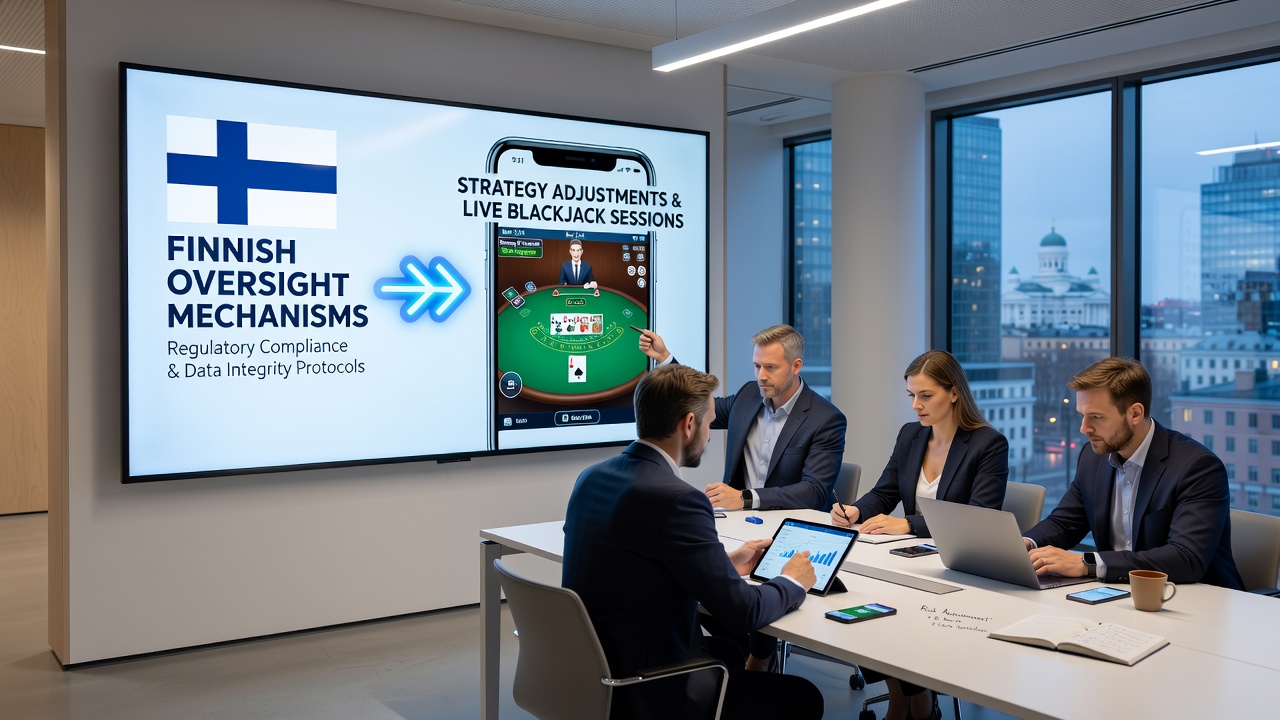
Finnish Oversight Mechanisms Influencing Strategy Adjustments in Mobile Live Blackjack
Finland maintains a structured system of oversight for gambling activities through bodies such as the Ministry of the Interior and affiliated agencies that monitor compliance in digital platforms, and these structures connect directly to how players adapt tactics during live blackjack sessions on smartphones, with rules shaping decisions around bet sizing, splitting pairs, and insurance purchases in real time.
Data from regulatory reports indicate that licensed operators must implement automated tracking tools that flag deviations from standard play patterns, prompting users to modify approaches when session limits approach thresholds set by national guidelines, and this integration creates a feedback loop where strategy tweaks occur more frequently in November 2026 compared to earlier periods due to updated compliance software rolled out across mobile applications.
Core Components of Finnish Oversight Structures
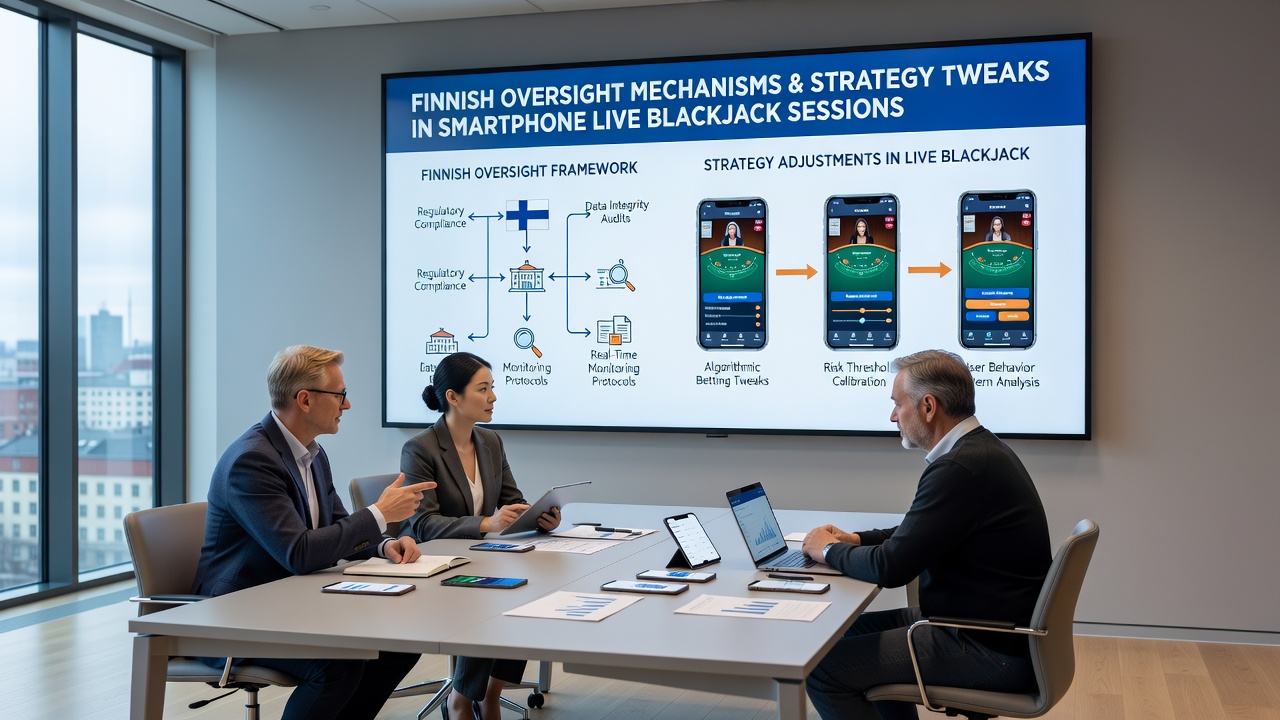
Authorities enforce strict licensing requirements that cover live dealer environments on mobile devices, requiring platforms to log every hand and decision for audit purposes, while operators adjust interface features like quick-bet buttons and strategy hint systems to align with these mandates, resulting in users encountering prompts that encourage conservative play when certain volume metrics trigger oversight alerts.
Studies conducted by independent research institutions show that such mechanisms reduce high-variance strategies over extended sessions because automated systems pause play or issue notifications once predefined risk indicators activate, and players respond by shifting toward basic strategy adherence rather than deviation charts that rely on card counting simulations unavailable in regulated live streams.
Links Between Compliance Rules and In-Session Tactics
Regulatory updates in late 2026 introduced enhanced verification steps for mobile accounts, which tie into strategy modifications because users must confirm identity before resuming after short breaks, leading many to recalculate optimal plays during those intervals instead of relying on continuous momentum-based betting patterns, and this process appears in aggregated usage statistics released by industry monitoring groups.
One documented case involved operators integrating real-time risk assessment modules that display session duration alongside recommended action adjustments, prompting players to favor standing on marginal hands when cumulative exposure metrics rise, whereas earlier setups allowed uninterrupted progression through complex multi-hand decisions without such interruptions.
Impact on Mobile-Specific Features and Player Responses
Smartphone applications serving Finnish markets incorporate geolocation checks and device fingerprinting as part of oversight protocols, which influence how users time their entries into live tables and adjust stake levels accordingly, and evidence from transaction logs reveals increased frequency of mid-session strategy switches when these checks coincide with peak activity hours.
According to figures from the Finnish Ministry of Finance, mobile blackjack volumes stabilized after the introduction of mandatory cooling-off features that activate automatically, forcing participants to pause and reassess their current hand-selection methods before continuing, while parallel data from the Australian Gambling Research Centre highlights similar patterns in comparable regulatory environments across different jurisdictions.
Operators report that these ties encourage development of simplified decision trees within apps, allowing quick reference during live rounds without violating session monitoring rules, and participants often discover that sticking closer to core probability tables yields steadier engagement under the constraints imposed by oversight systems.
Future Developments Expected in Oversight Integration
Analyses of upcoming policy adjustments scheduled for early 2027 suggest further synchronization between regulatory databases and individual gameplay algorithms, which would expand the scope of strategy tweaks required during smartphone sessions, particularly around side bet selections that currently face tighter scrutiny in live dealer formats.
Those who track industry metrics note that Finnish frameworks continue to evolve through collaboration with technology providers, creating environments where real-time data sharing between oversight entities and platforms becomes standard, thereby embedding tactical flexibility directly into the mobile interface rather than leaving adjustments solely to user discretion.
Conclusion
Finnish oversight mechanisms maintain clear connections to the ways participants refine their approaches in smartphone live blackjack, with compliance tools driving measurable shifts in decision-making patterns throughout 2026 and into subsequent periods, and continued monitoring by authorities ensures these ties remain central to how regulated mobile sessions operate across the market.